

Empowering Migraine Relief The Neurolief App Experience
The Neurolief mobile app is designed to complement the Relivion™ device, providing users with a seamless and intuitive experience to manage their migraine and headache treatment. With a user-friendly interface and real-time treatment tracking, the app empowers users to take control of their pain relief journey while staying connected to healthcare providers.
Overview
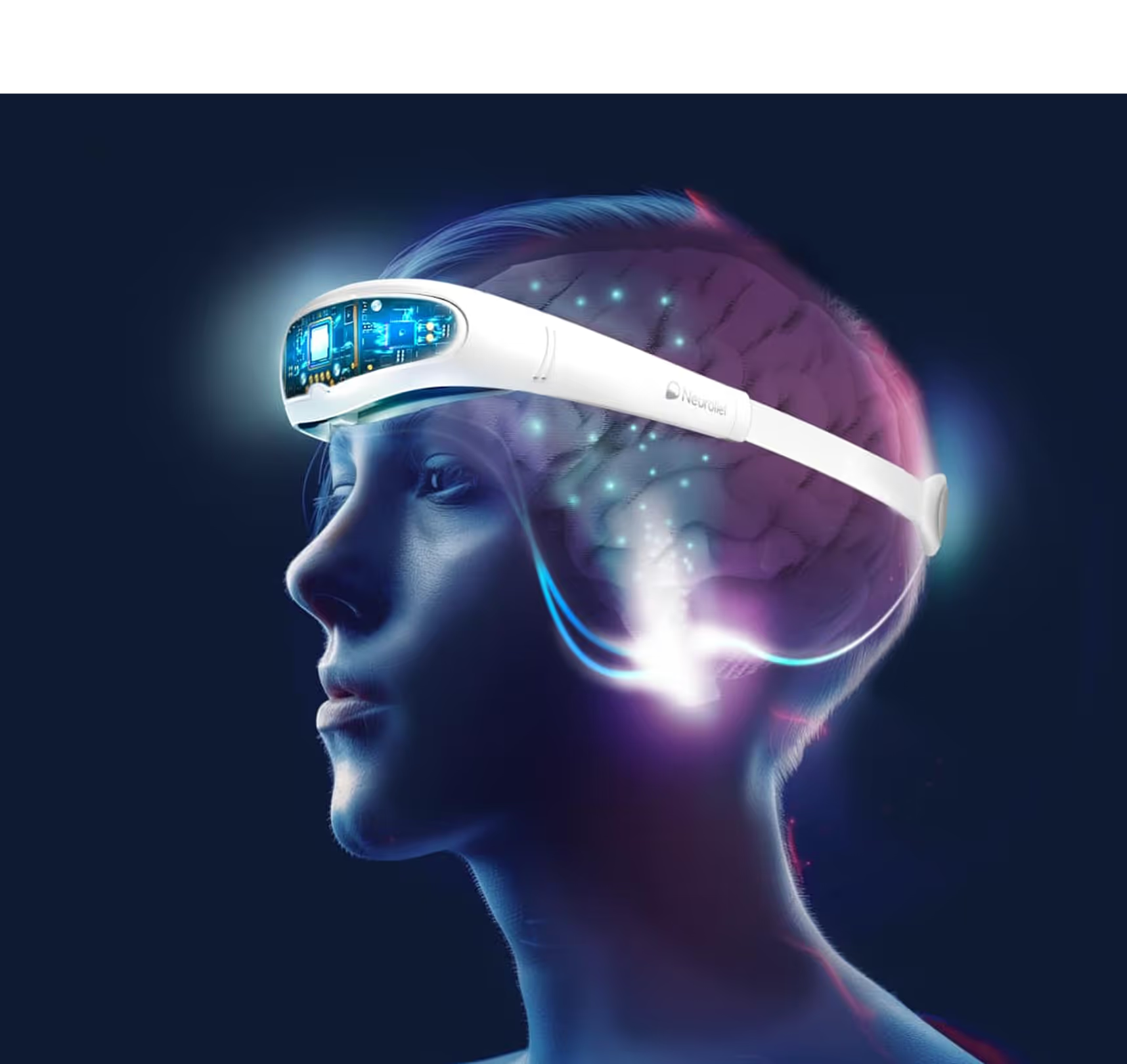
Neurolief is an Israeli company specializing in non-invasive neurostimulation devices aimed at treating headaches, migraines, and depression. Their flagship product, Relivion™, is a wearable device that targets specific nerve branches to modulate neural networks associated with pain and mood regulation. The company has developed a mobile app to enhance the user experience and improve treatment adherence.

Challenges
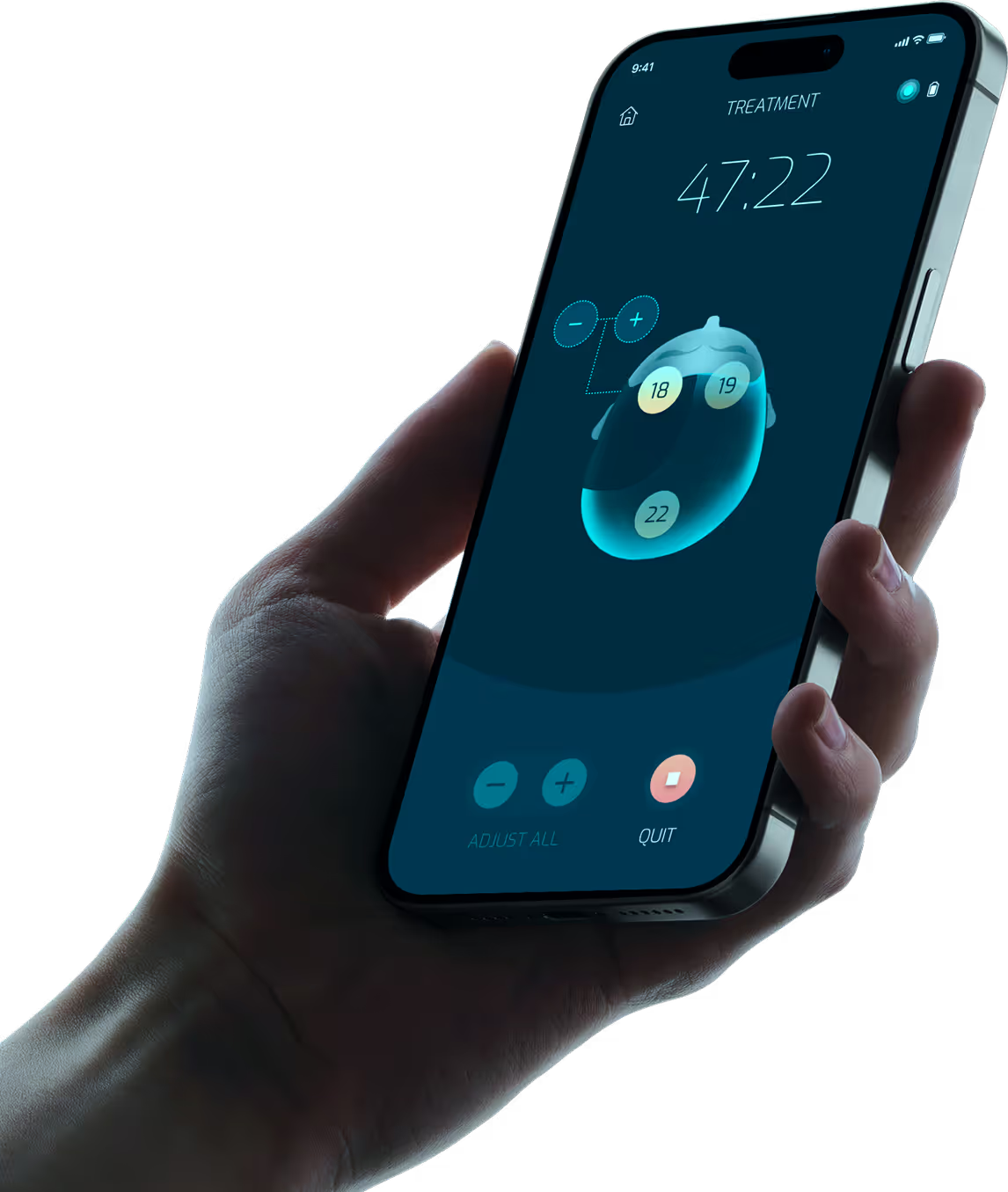
The primary challenge was to design an intuitive and user-friendly mobile application that complements the Relivion™ device. The app needed to provide real-time treatment status updates, facilitate seamless communication between patients and healthcare providers, and offer personalized treatment plans. Additionally, ensuring the app's compatibility with both iOS and Android platforms was essential to reach a broader user base.

Solution
User-Centric Interface
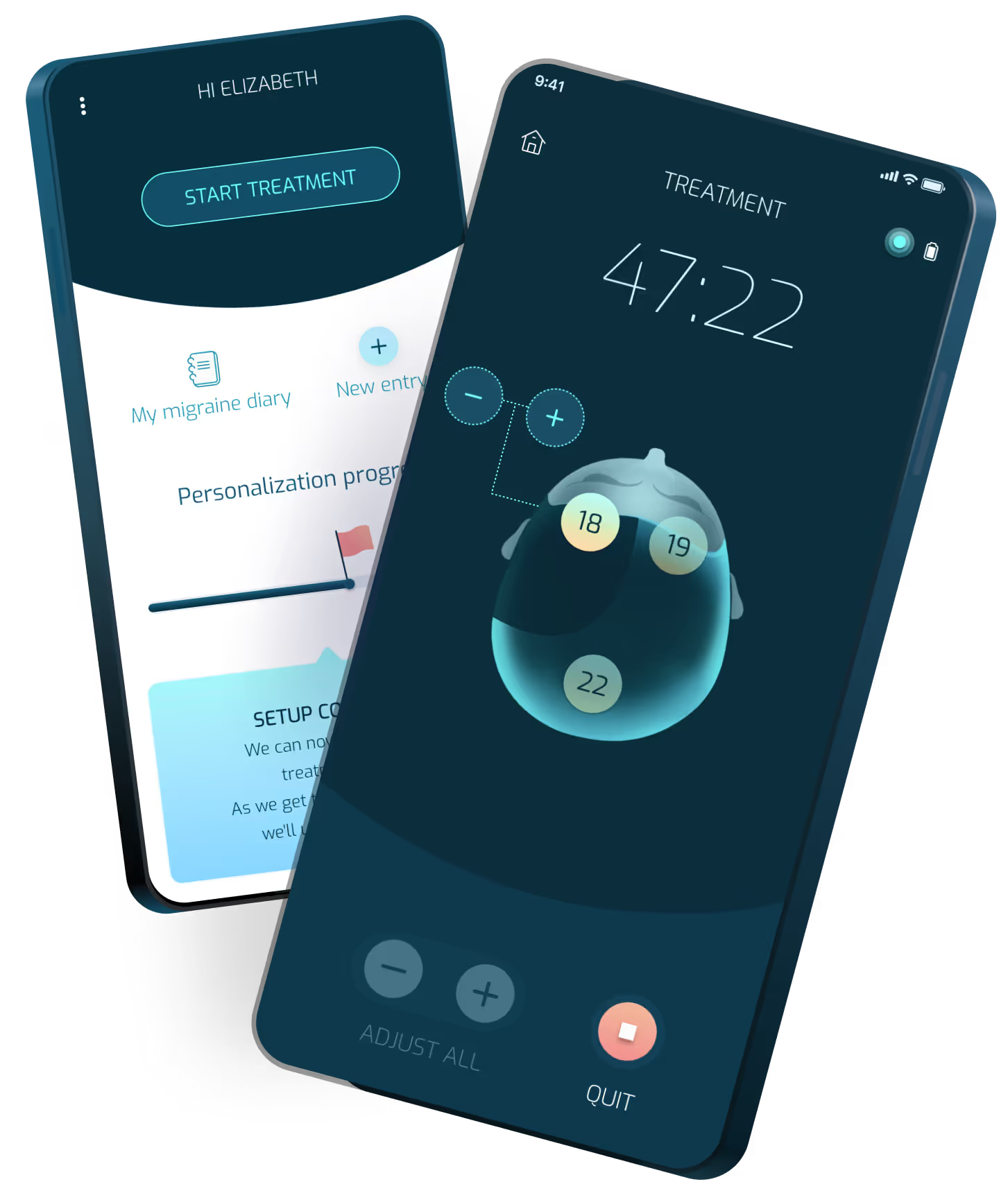
Develop an intuitive and accessible application that allows users to control and monitor their Relivion™ device effectively.
Real-Time Monitoring
Enable users to track their treatment sessions, pain levels, and progress over time.
Personalized Experience
Provide tailored treatment plans and recommendations based on individual user data.
Design Process

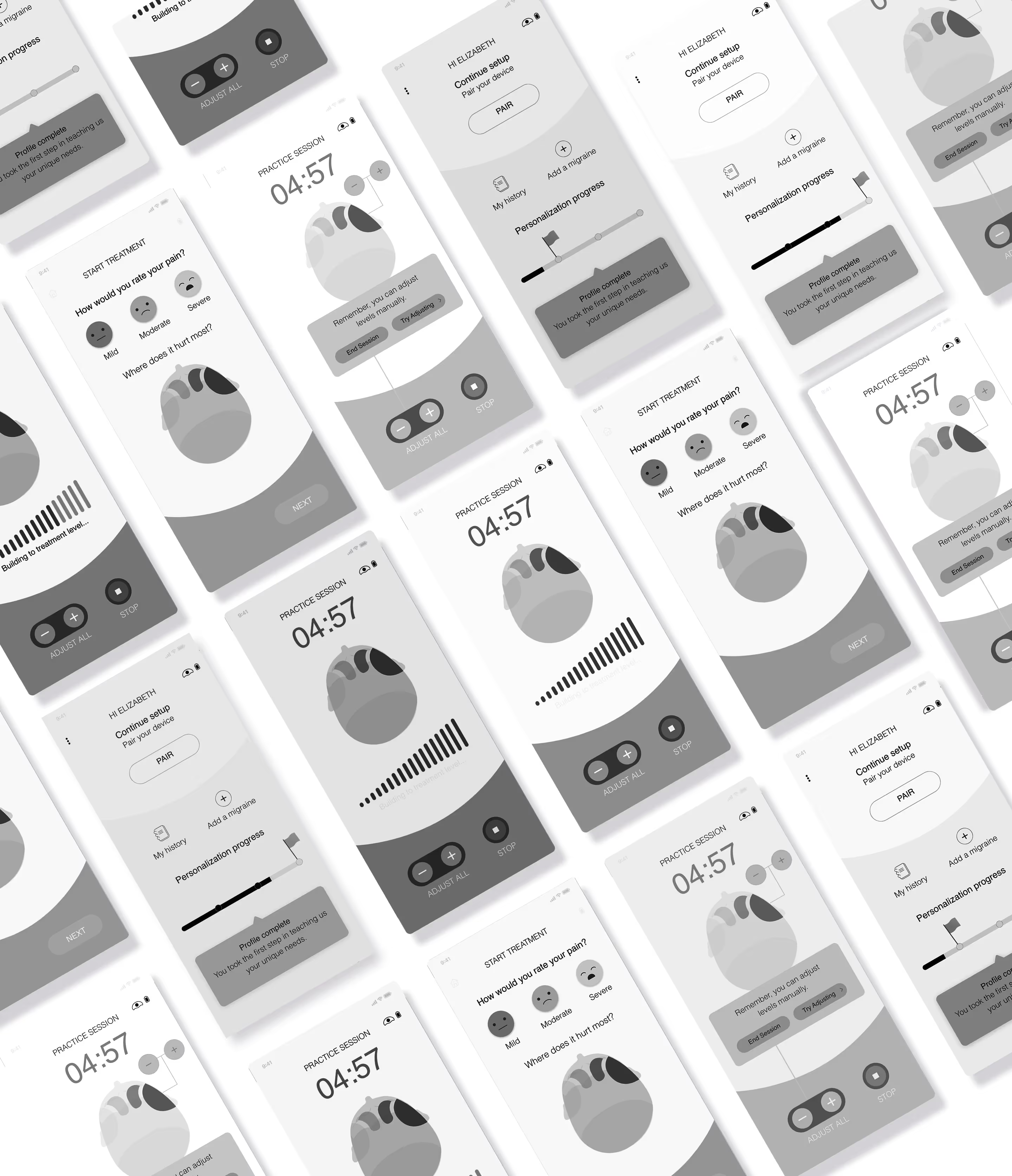
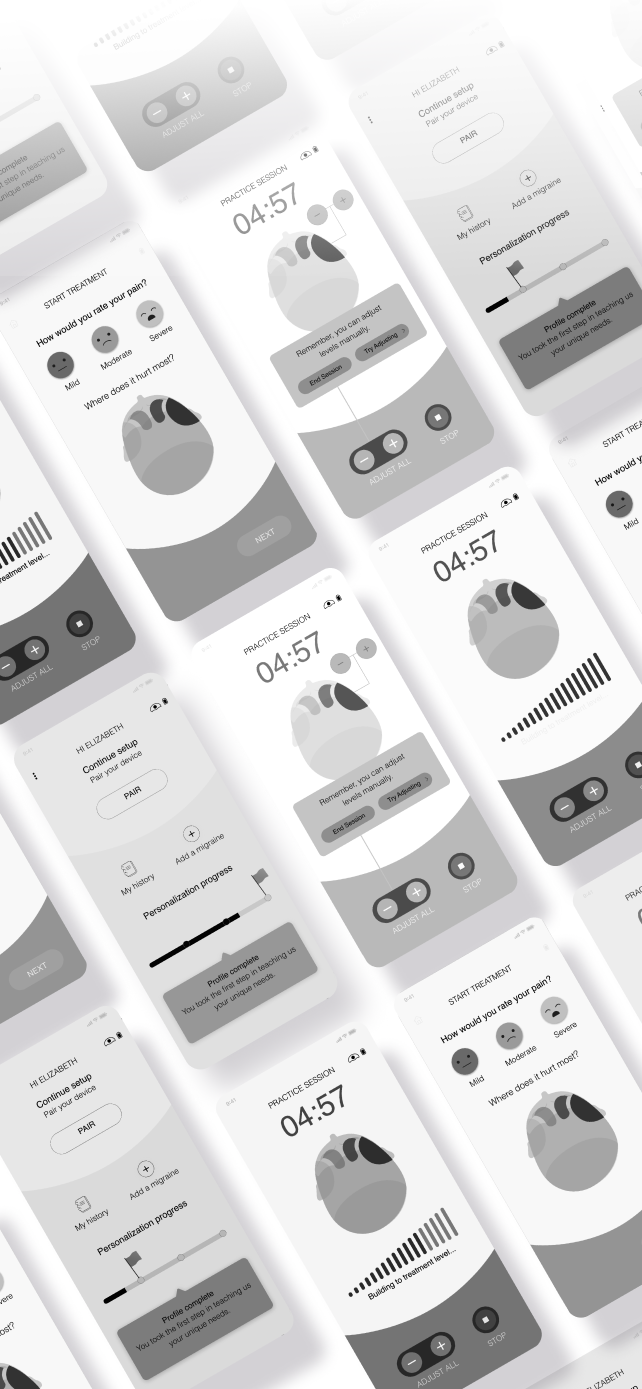
Wireframing & User Flow
Developed low-fidelity wireframes to outline the app’s structure and navigation. Designed an intuitive user flow ensuring effortless tracking, treatment scheduling, and real-time feedback to minimize cognitive load.

Research & Discovery
Conducted extensive research on migraine sufferers, their needs, and pain points through user interviews and surveys. Analyzed existing solutions and identified gaps to create an app that enhances treatment adherence and monitoring.

UI & Visual Design
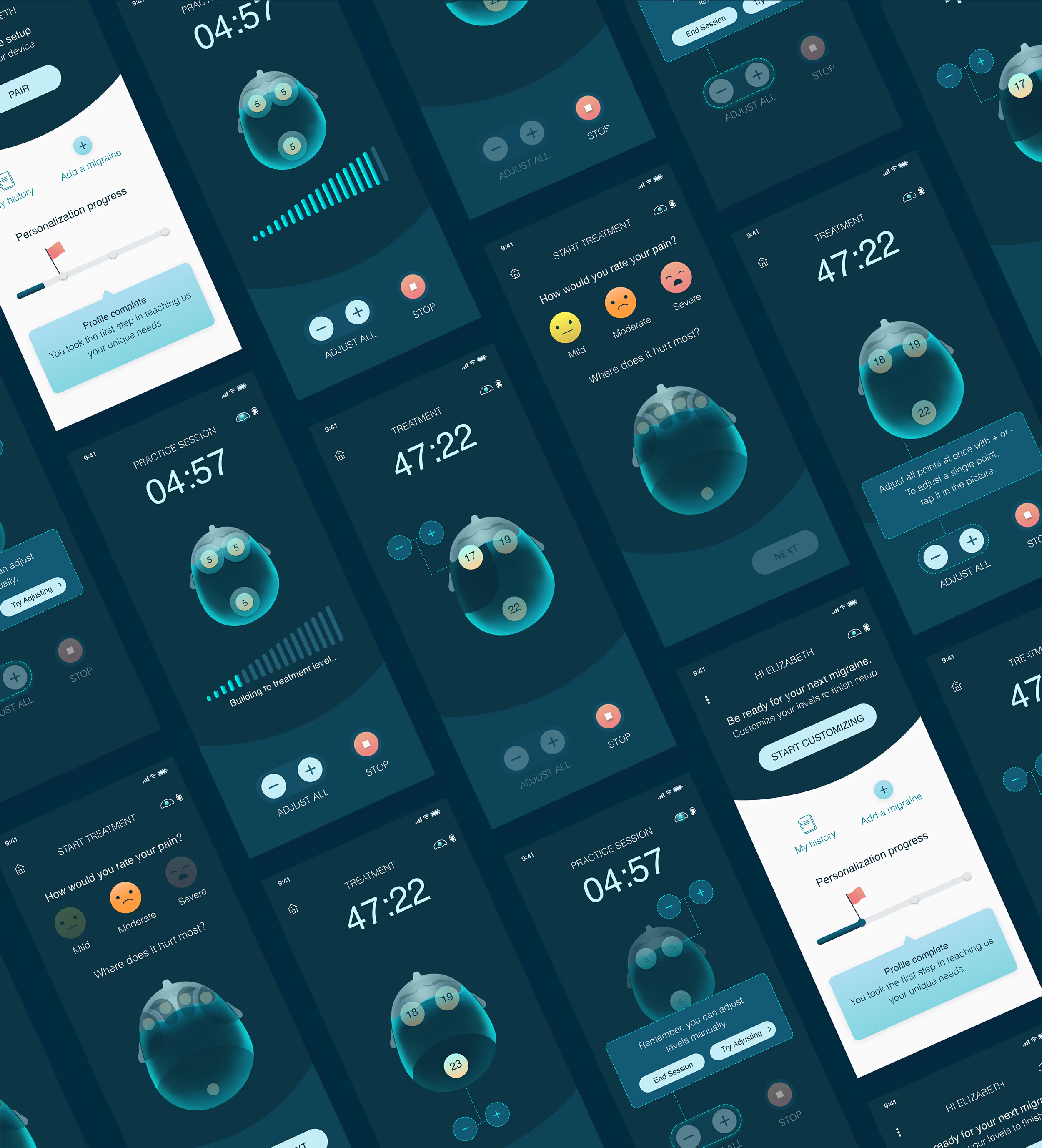
Created a clean and calming interface using a soft color palette to reduce eye strain. Designed accessible typography and iconography, ensuring clarity. Integrated data visualization to help users easily track progress and triggers.

Prototyping & Testing
Built an interactive prototype for usability testing. Gathered feedback, iterated on pain points, and optimized interactions to enhance user experience. Ensured the final design met user expectations for simplicity, functionality, and effectiveness.
User Research
The primary users are individuals aged 18-65 who experience chronic headaches or migraines. User research involved surveys and interviews to understand their pain points, treatment preferences, and technological proficiency. Findings indicated a preference for simple,
easy to navigate interfaces and the ability to monitor treatment effectiveness.

User personas



YAEL COHEN
Pain Points
uffers from chronic migraines 3-4 times a week, struggles to find an effective treatment without side effects, often forgets to track her symptoms and treatment sessions.
Goals & Needs
Wants a user-friendly solution to manage and track her migraines, needs reminders for treatments, desires insights into what triggers her migraines and what helps alleviate them.
Tech Proficiency
Comfortable with mobile apps but prefers simple, intuitive interfaces.
Frustrations
Complex medical apps, lack of real-time feedback on treatment progress, difficulty in tracking long-term patterns.
"I need something that helps me stay on track with my treatment without adding more stress to my day."

OMER LEVI
Pain Points
Experiences severe migraines due to long hours in front of screens, struggles to find a treatment that fits into his busy schedule, often neglects self-care due to work demands.
Goals & Needs
Needs a migraine management tool that integrates seamlessly into his routine, prefers a data-driven approach to track triggers and effectiveness, requires discreet notifications and reminders.
Tech Proficiency
Generic health apps that don’t provide personalized insights, lack of synchronization with other health-tracking tools, overwhelming interfaces with unnecessary features.
Frustrations
Wants to better understand his migraine patterns and optimize his treatment with minimal disruption to his workflow.
"I need a smart, efficient way to track my migraines without it feeling like extra work."
YAEL COHEN
Pain Points
uffers from chronic migraines 3-4 times a week, struggles to find an effective treatment without side effects, often forgets to track her symptoms and treatment sessions.
Goals & Needs
Wants a user-friendly solution to manage and track her migraines, needs reminders for treatments, desires insights into what triggers her migraines and what helps alleviate them.
Tech Proficiency
Comfortable with mobile apps but prefers simple, intuitive interfaces.
Frustrations
Complex medical apps, lack of real-time feedback on treatment progress, difficulty in tracking long-term patterns.
"I need something that helps me stay on track with my treatment without adding more stress to my day."
OMER LEVI
Pain Points
Experiences severe migraines due to long hours in front of screens, struggles to find a treatment that fits into his busy schedule, often neglects self-care due to work demands.
Goals & Needs
Needs a migraine management tool that integrates seamlessly into his routine, prefers a data-driven approach to track triggers and effectiveness, requires discreet notifications and reminders.
Tech Proficiency
Generic health apps that don’t provide personalized insights, lack of synchronization with other health-tracking tools, overwhelming interfaces with unnecessary features.
Frustrations
Wants to better understand his migraine patterns and optimize his treatment with minimal disruption to his workflow.
"I need a smart, efficient way to track my migraines without it feeling like extra work."
WIREFRAMES & PROTOTYPING
The wireframing process for Neurolief’s app was designed to create a seamless and user-friendly experience for individuals managing chronic headaches and migraines. Low-fidelity wireframes were first developed to establish the core structure, focusing on intuitive navigation and easy access to treatment data. High-fidelity wireframes refined the interface, ensuring a clean layout, clear information hierarchy, and smooth transitions between features. The goal was to make the app feel effortless to use while providing patients with real-time insights into their treatment progress.
style guide
COLOR PALETTE
The Neurolief app utilizes a calming turquoise color palette designed to create a soothing and focused user experience for individuals suffering from migraines.
Background Color
A deep turquoise shade is used as the primary background to reduce visual noise and minimize headache triggers, ensuring a comfortable interaction.
Primary Color
A lighter turquoise accentuates key interface elements, maintaining a consistent and refreshing aesthetic without overwhelming the user.
Contrast & Accessibility
High-contrast elements in complementary shades ensure readability and usability while preserving a gentle, non-intrusive visual experience.
This color selection enhances focus, supports prolonged use, and aligns with the therapeutic purpose of the app.
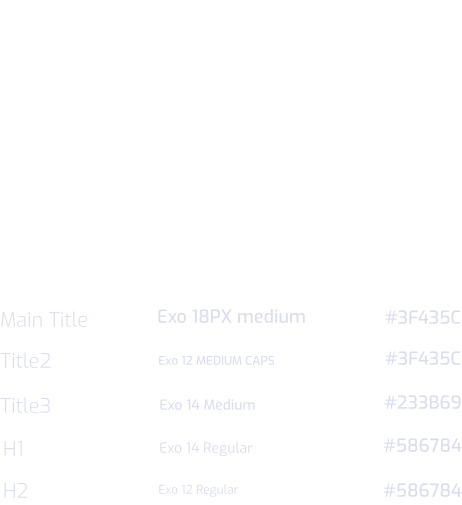
TYPOGRAPHY
The Exo font was chosen for Neurolief to reflect the company’s innovative and technology-driven approach. Its modern, geometric design conveys a sense of precision and sophistication, aligning with the advanced neurostimulation solutions the company offers. The font’s high readability and clean aesthetic ensure a seamless user experience, making it ideal for a healthcare technology application.
FINAL DESIGN
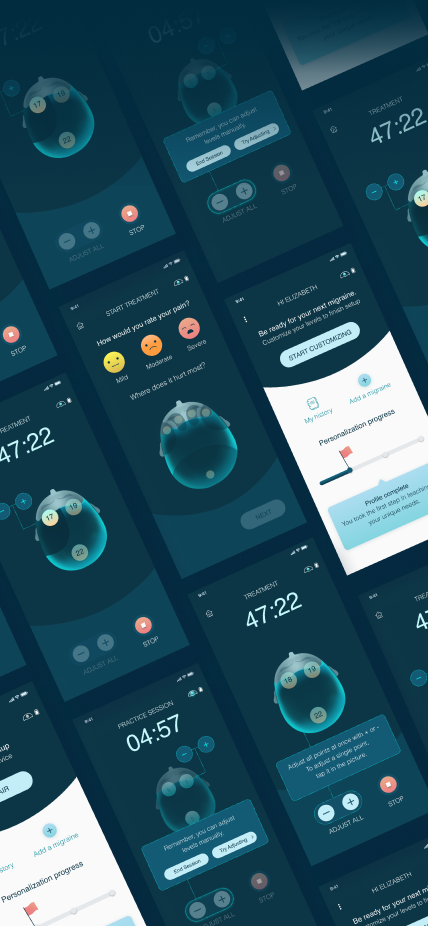
Designing the Neurolief application required a deep understanding of user needs and behaviors. By focusing on simplicity, personalization, and real-time monitoring, the application effectively supports users in managing their headaches and migraines, contributing to better health outcomes.
.svg)