

CYBER THREAT INTELLIGENCE PLATFORM
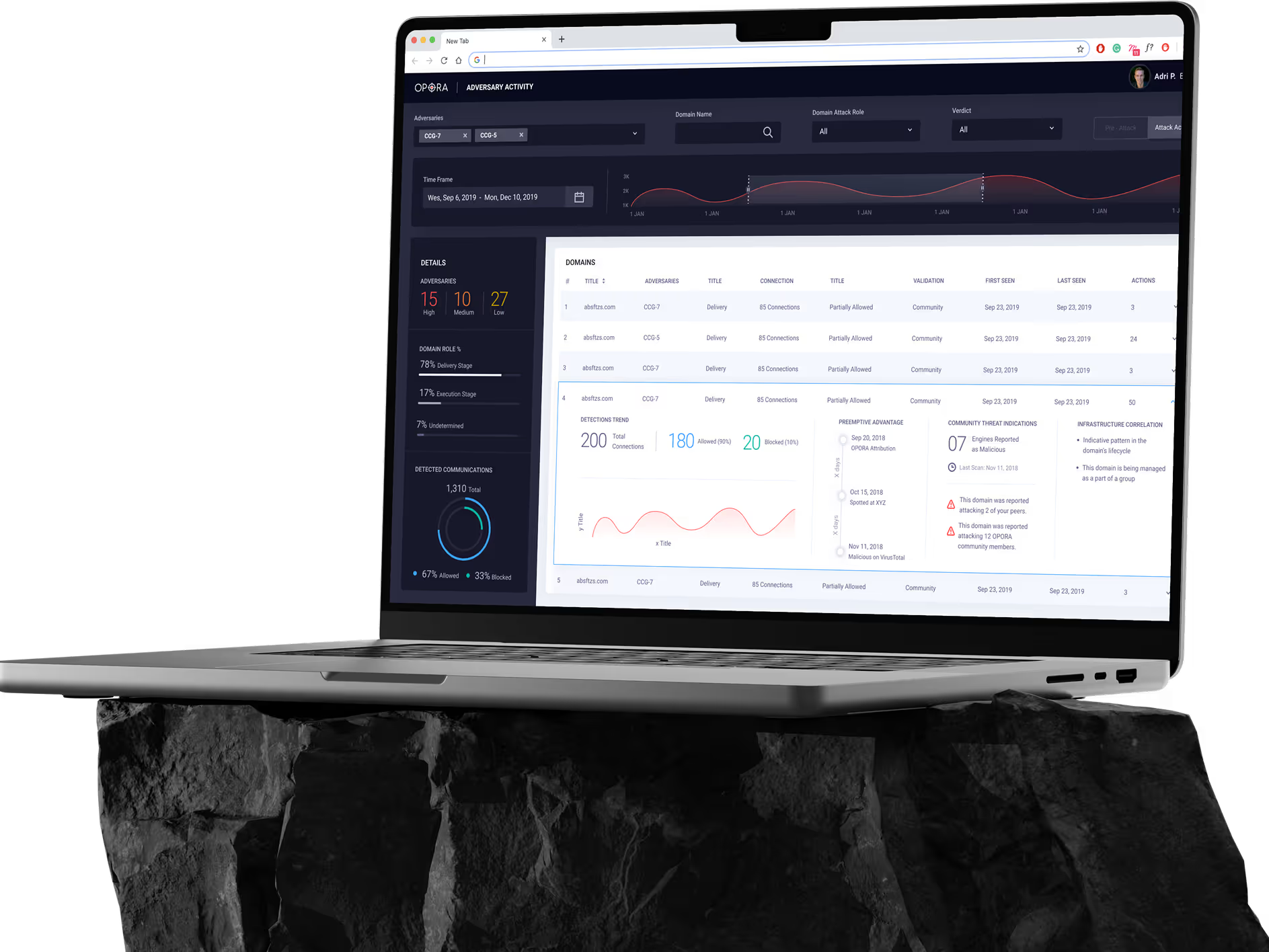
OPORA is a cyber threat intelligence platform designed for security analysts investigating adversary activity and threat infrastructure. The platform transforms complex intelligence data into a clear and actionable workspace, enabling faster investigations and more informed decision-making.
OVERVIEW
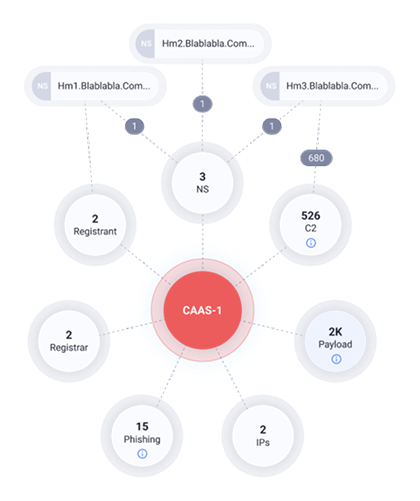
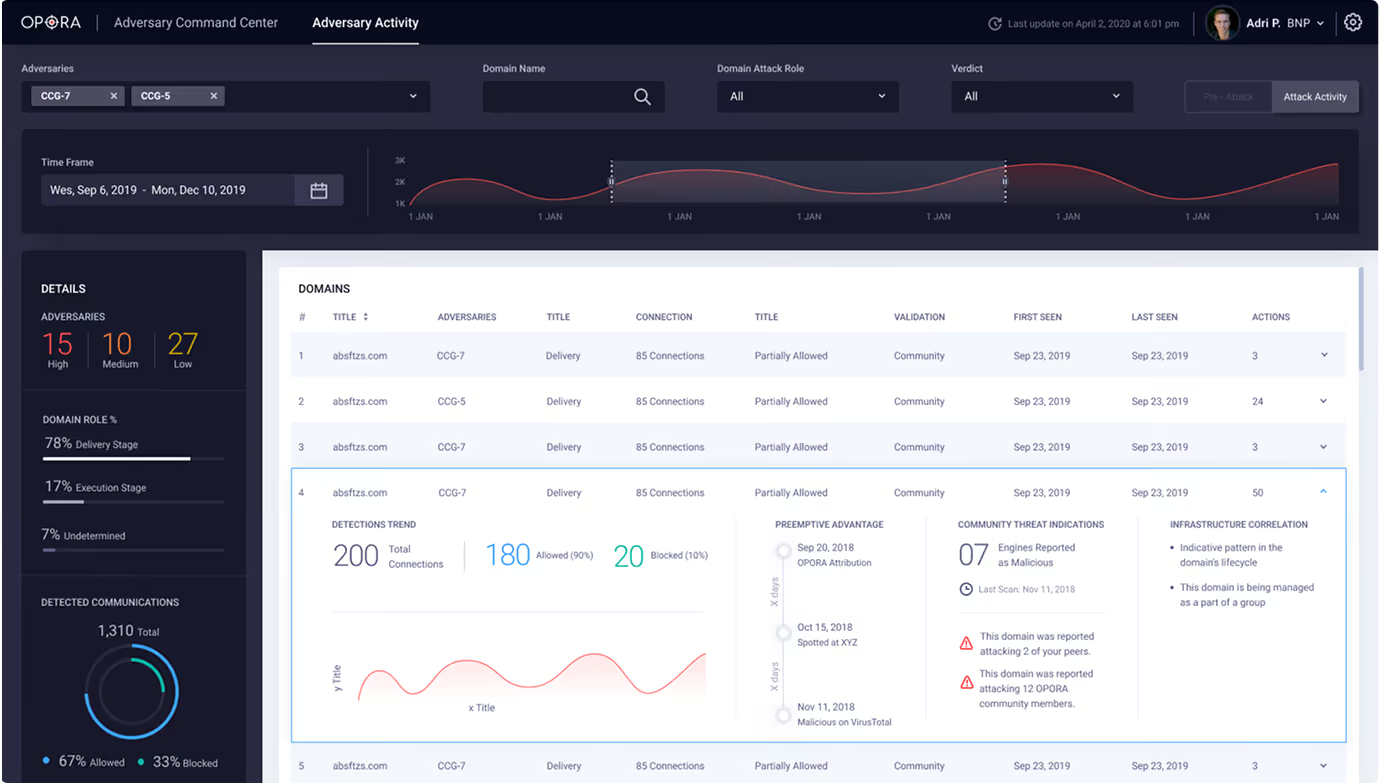
OPORA is a cyber threat intelligence platform that centralizes complex security data into a single investigative workspace. The platform helps analysts identify threats faster, uncover relationships between entities, and make informed security decisions.

PROBLEM STATEMENT
Security analysts often work with fragmented intelligence sources, complex datasets, and rapidly evolving threats. Existing tools made it difficult to quickly identify meaningful patterns, correlate information, and maintain situational awareness.
The challenge was to streamline investigation workflows and enable analysts to process critical information more efficiently.
GOALS
The goal was to create a clear and intuitive experience for cybersecurity analysts working with large-scale intelligence data. The design focused on reducing cognitive load, improving navigation efficiency, surfacing critical insights, and supporting faster decision-making during investigations.
USER RESEARCH
& ANALYSIS
Research focused on understanding analyst workflows, investigation patterns, and information needs within cybersecurity environments. Through stakeholder discussions, workflow mapping, and competitive analysis, key challenges were identified, including information overload, inefficient navigation, and limited visibility into critical threat indicators. These insights guided the platform’s information architecture and interaction design.

DESIGN PROCESS
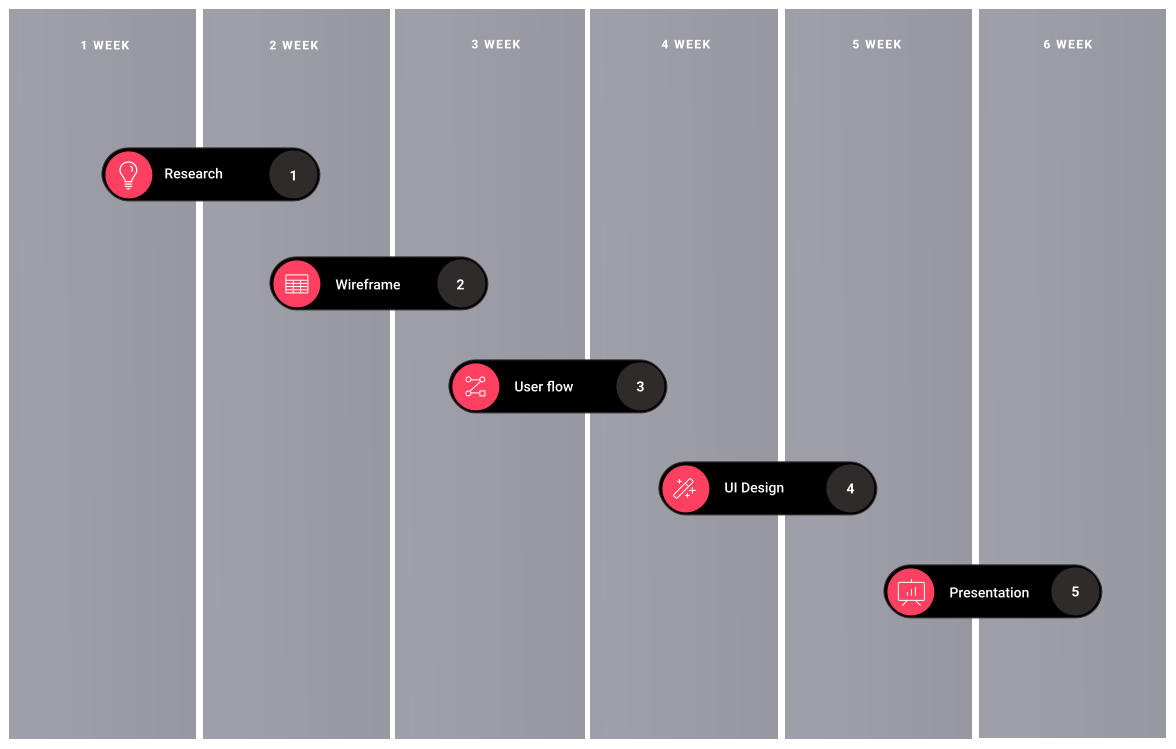
The project timeline covers the period from the initial concept to the development stage.
WIREFRAMES & PROTOTYPING
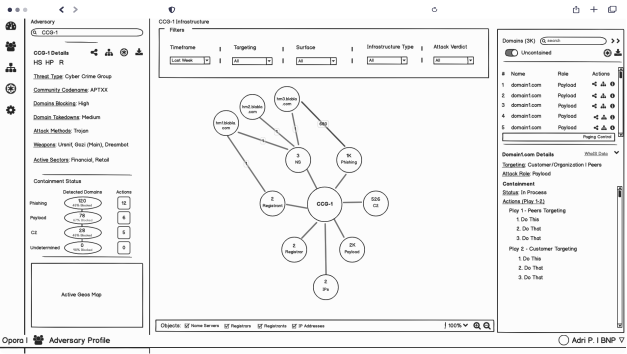
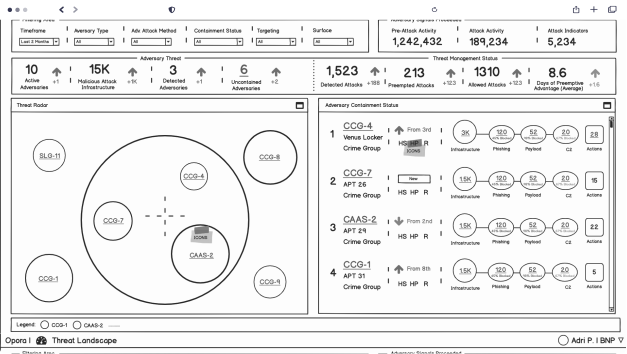
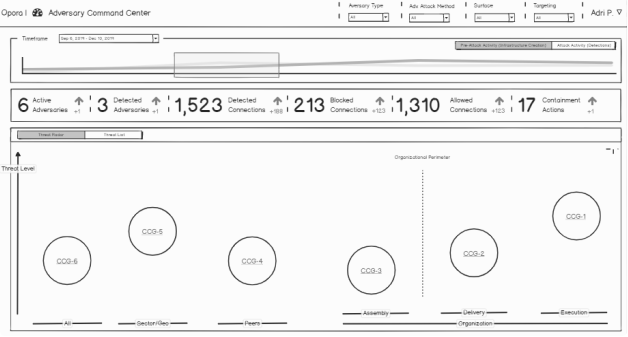
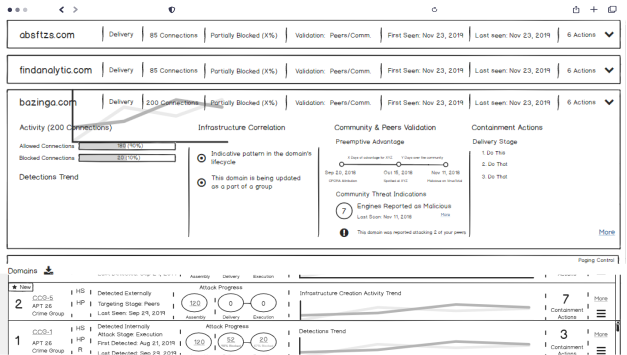
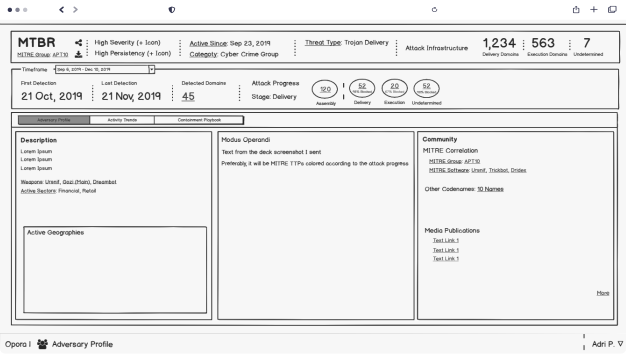
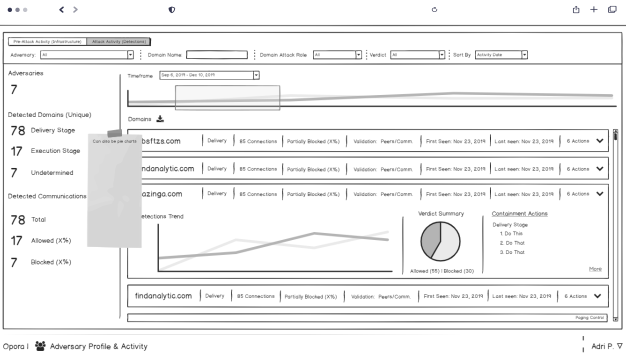
Wireframes and prototypes were created to explore information architecture, investigation workflows, and data visualization patterns. Iterative testing helped refine navigation, improve usability, and ensure efficient access to critical intelligence data.
STYLE GUIDE
COLOR PALETTE
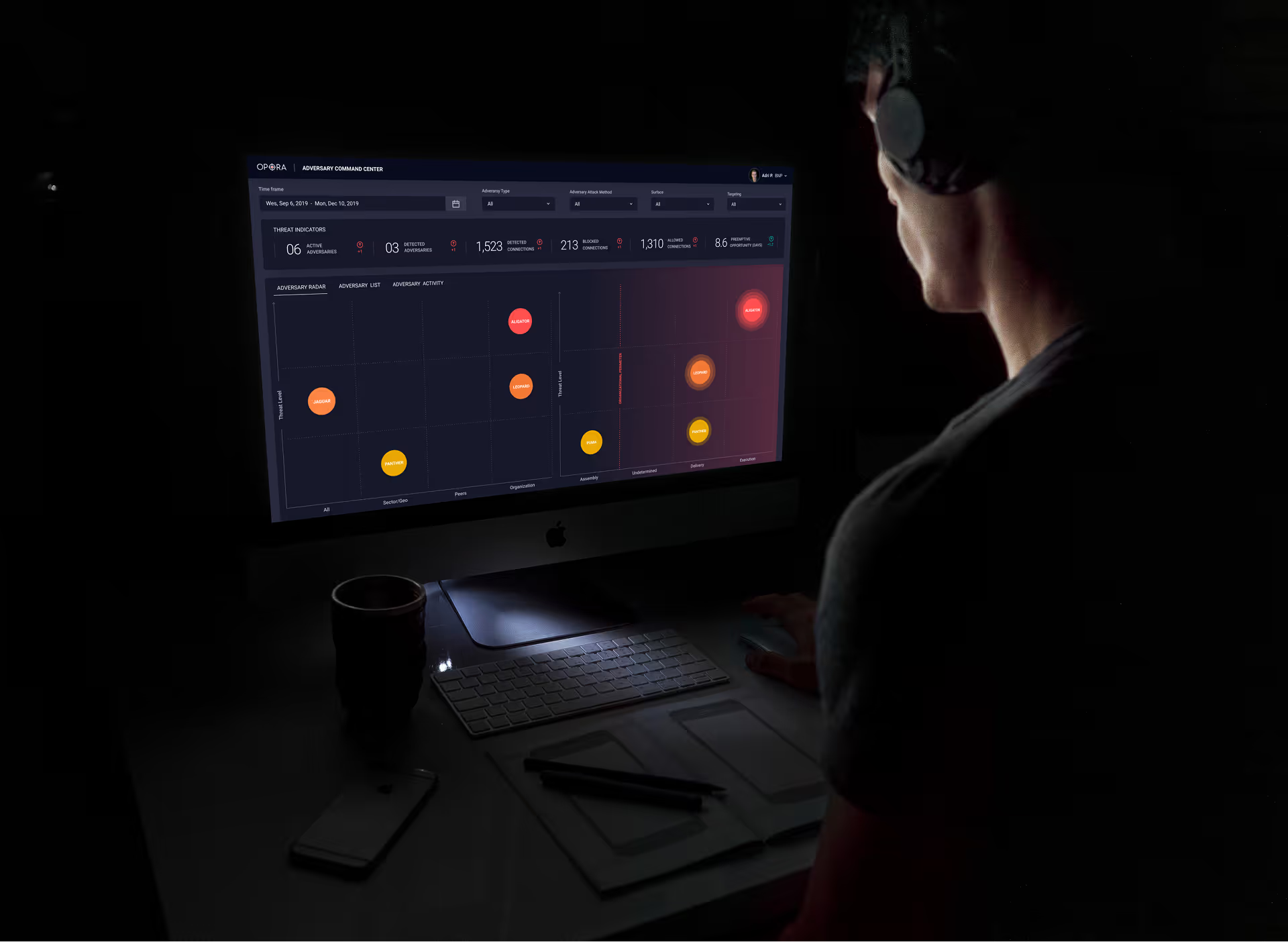
In this system, a dark blue background is combined with elements in red, orange, and yellow. The dark blue conveys reliability and calmness, providing a neutral base that highlights active elements. Red and orange emphasize critical information, evoking urgency and directing attention. Yellow adds contrast, highlighting important data. This combination creates a balanced interface that enables analysts to efficiently focus on essential information.
TYPOGRAPHY

LESSONS LEARNED
Key lessons from the project include the value of comprehensive user research and iterative testing in developing complex systems. The project underscored the effectiveness of a dark-themed design for data-intensive applications and the importance of creating an interface that balances detailed information with ease of navigation.
.avif)
FINAL DESIGN
This project successfully delivered a state-of-the-art cybersecurity command system for Opera by merging modern design with functional excellence. Through focused research and iterative improvements, we developed a powerful tool that enhances security operations via intuitive data visualization and rapid threat analysis.
.png)
.png)
.png)
.png)
.png)
.svg)